Autism-friendly haircuts: sensory adjustments and choice
M’s Hour: Making a Hair Salon More Comfortable for Children with ASD
By Gee · Originally published 31 January 2018

Original article and dated context
What do we do?
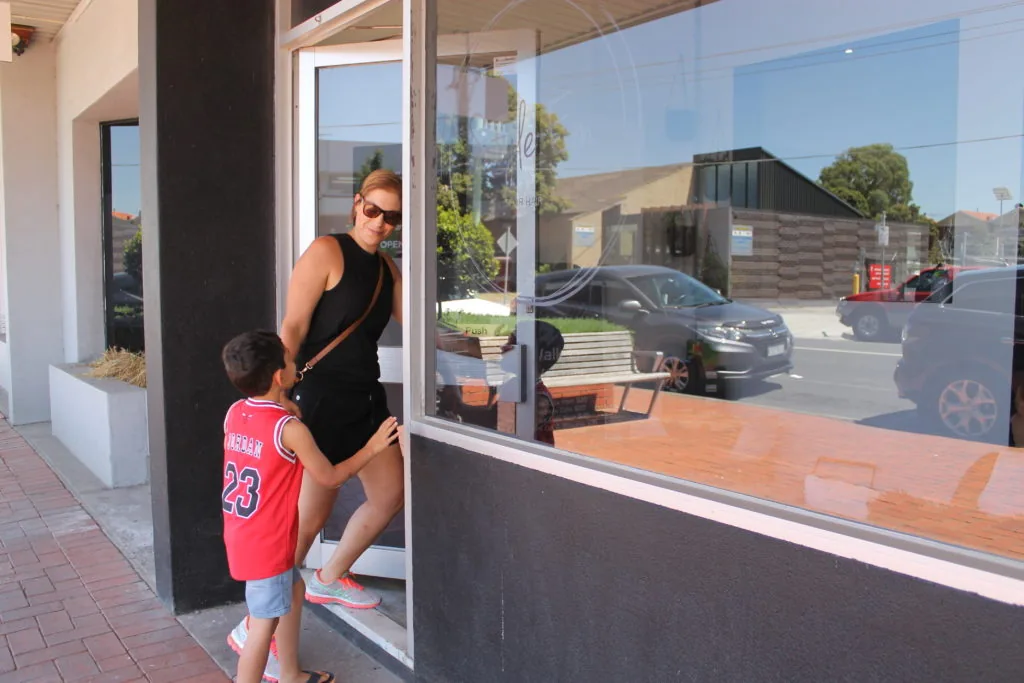
- Playing no loud music
- Making sensory toys and IPADs available
- Offering colouring books
- Allowing 1-hour appointments (to account for breaks if necessary)
- Having only two children in the salon at one time
- Preparing a schedule and social story for the appointment.
[Clickability update, October 2026: These are the salon’s practical experiences, not universal instructions. Autism Association of Western Australia strategies emphasises individual sensory needs and choice. Agree changes with the child and family, including whether the parent stays.]
What have we discovered?
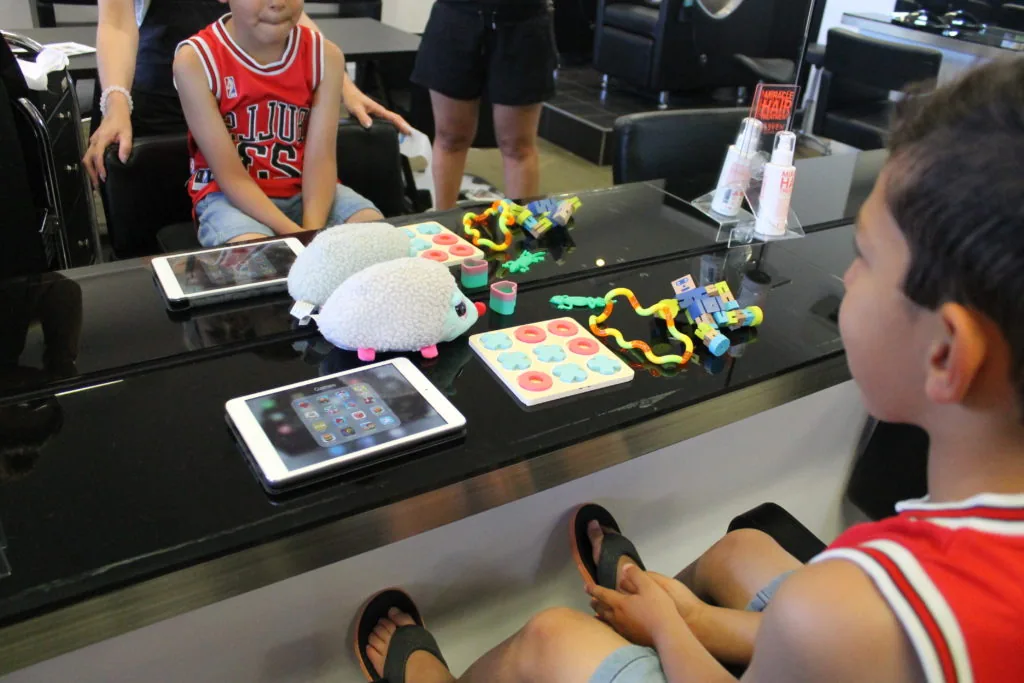
- If children dislike the sound of buzzing caused by clippers, we encourage parents to bring ear plugs (that is, if ear plugs are something that work for the child of course!)
- We recommend developing a routine for haircuts, so that appointments can be scheduled on the same time and day.
- We tell parents not to hesitate in bringing a child’s favourite food or toy along to a haircut–this can often be used as a reward.
- We provide a visual supports and schedules so a child can see the routine of the cut and become prepared (click here).
- We believe it’s important to keep a child’s haircut simple to start with–as a child develops a relationship with our stylists, they can then request more style in the cut.
- We encourage parents to step away from their child and stylist after the first few minutes (if possible), so that the stylist can work with the child independently.
- We also allow parents to bring their child for a casual visit to the salon so that they can become familiarised with it. We get parents to ring beforehand so we can ensure the salon is not too busy and overwhelming.
What can we learn?
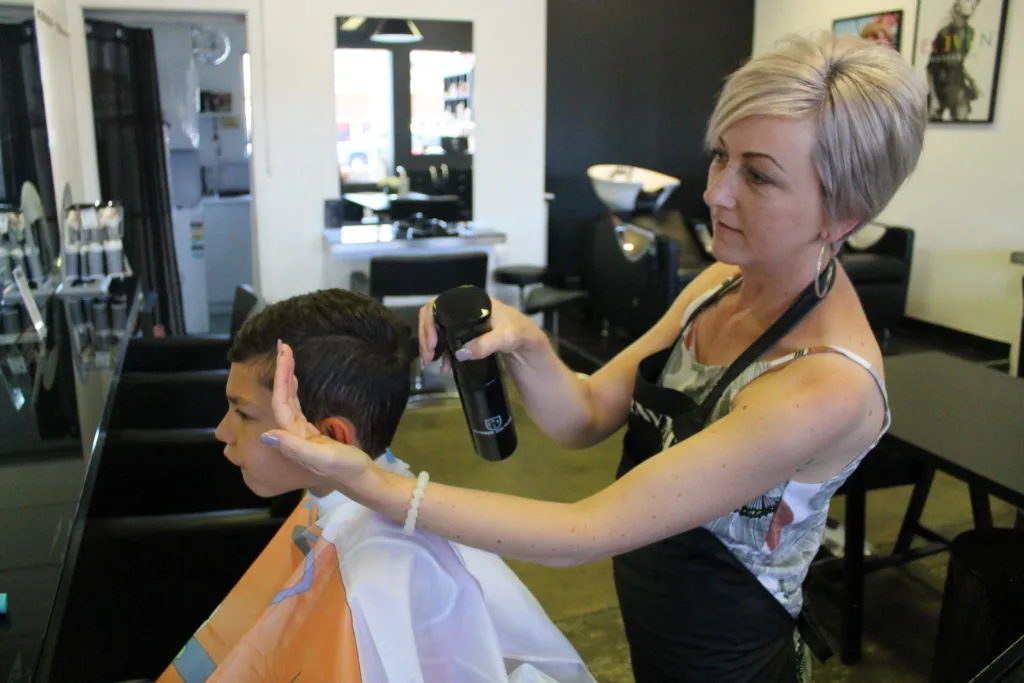
Clickability editorial update: October 2026
Prepare around your child’s preferences
Ask what part of a haircut feels difficult: the sound, touch, smell, waiting or uncertainty. Share the useful details with the salon and ask what can be changed. A quiet appointment or familiarisation visit may help, but choose the options that suit this child.
Agree how the child can signal a pause or stop and whether they want you nearby. A social story can explain the sequence without promising that every step will feel comfortable. Keep the ordinary haircut cost separate from any eligible disability-related assistance.
Offer adjustments without requiring one standard routine
Before the appointment, ask about communication and sensory preferences. Explain what can be changed, including timing, noise and breaks. Avoid assuming that every autistic child needs the same preparation or that a parent leaving is the goal.
Check consent as the appointment progresses and respect a request to stop. Discuss what worked with the child and family, then record agreed preferences for a future visit. Autism WA’s support strategies offer ideas for adapting environments while keeping choice central.
Questions readers ask
Can families book the original M’s Hour salon?
The original article states that the salon has closed. Its schedule is historical.
Should the parent always step away?
No. Decide with the child and family; the original suggestion is not a requirement.
Find support for everyday sensory challenges
If you want professional help with daily sensory needs, tell Clickability what is difficult and compare reviewed and rated occupational therapy providers. Ask how they involve the child and family.
Find an occupational therapist · Browse occupational therapy providers