Choosing assistive technology: advice, peers and product trials
Top 3: The Best Ways to Find Assistive Technology Products and Services
By ATSA Independent Living Expo · Originally published 28 March 2018
Use demonstrations to compare, rather than commit
Take a short list of tasks and questions to a supplier or expo. Ask whether the equipment can be tried in the setting where you will use it, what is included in the price and what happens if it is unsuitable. Bring someone you choose if that helps you compare options; you can leave without buying.
Peer recommendations can reveal practical strengths and limitations, but another person’s needs may differ from yours. Current NDIA advisor information helps distinguish general advice from specialist assessment. Confirm funding and any required evidence before ordering.
Original article and dated context
What can you do to make it a smoother process?
- <span>Speaking to an AT assessor or AT mentor. Under the NDIS, you can receive </span>AT assessments to determine what AT solutions will help you achieve the goals outlined in your plan. Assessors include an AT mentor (people with a disability or those with lived experience of disability, including carers), allied health practitioner, continence nurse, registered dietician, psychologist, or rehabilitation engineer.
- <span>Joining a support group. As is the case with most things NDIS related, your peers are often the best source of firsthand information. Many of them will already have purchased AT products or use AT services – and most importantly, these peers have lived experiences of disability, just like you.</span>
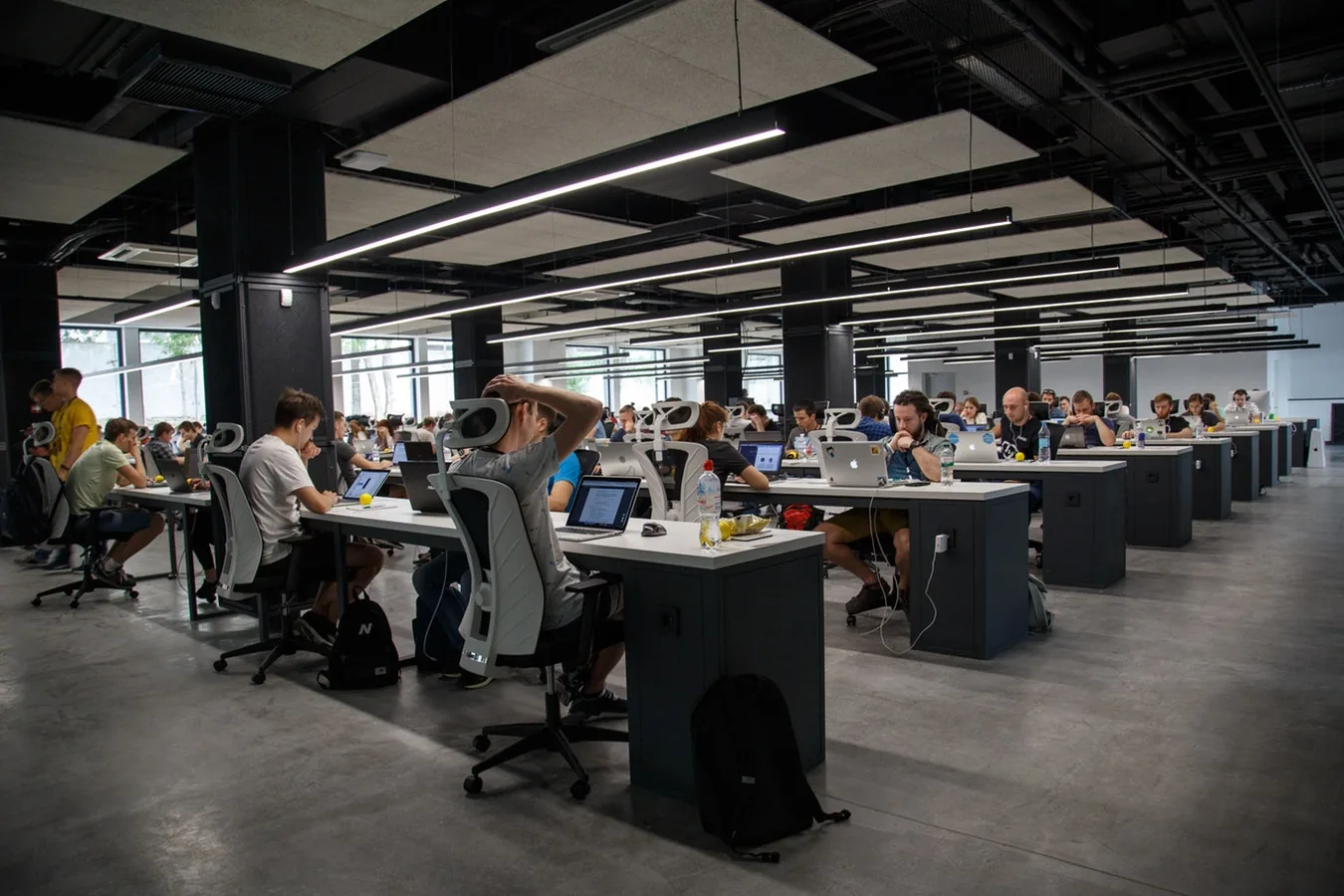
- <span>Attending a trade show. One of the best ways to see what’s on offer is to attend one of the many AT trade shows throughout Australia, where providers show exactly what you can find and even give you a helpful demonstration. This includes the ATSA Independent Living Expo.</span>
[Clickability update, October 2026: The event details below concern 2018. Verify any current event directly. For present role distinctions, read NDIA assistive-technology advisor guidance. Peer experience can inform questions but does not replace specialist assessment where needed.
What is the ATSA Independent Living Expo?
Clickability editorial update: October 2026
Help organise the comparison without choosing for the participant
Clarify what the person wants to achieve, the relevant advisor and which information is still missing. Keep recommendations and supplier relationships transparent. Help compare total costs, training and servicing, then return the decision to the participant. A crowded expo or a confident sales presentation should not shorten the time needed to understand the options. NDIA equipment guidance provides a useful funding reference.
Questions readers ask
Is the 2018 registration offer current?
No. It is retained as part of the sponsored historical article.
Can a peer recommendation replace every assessment?
No. Use advice and assessment appropriate to the equipment and your circumstances. Official guidance
Find an occupational therapist to discuss equipment
Tell Clickability the activities and equipment questions you need help with. Compare providers and ask about assessment, trials and practical follow-up.
Find an occupational therapist · Browse occupational therapy providers