NDIS animal supports: assistance animals and therapy explained
The Wonderful World of Animals
By Clickability · Originally published 10 January 2018
Start with the support you need, then ask how the animal fits
If you are considering a service, ask who delivers it, what goal it addresses and how progress will be discussed. A photograph of a dog or a description such as equine therapy does not establish professional qualifications, assistance-animal training or funding eligibility.
NDIA animal-assisted therapy guidance describes evidence-based treatment delivered by a qualified health professional. Assistance-animal guidance covers animals trained to help with disability-related tasks. Confirm the relevant funding requirements before committing to a service; enjoying an animal activity alone does not make it an NDIS support.
Original article and dated context
You might have seen our (kinda) irreverent and tongue-in-cheek ‘Dogs 4 Clicka’ media campaign doing the rounds on our Clicka-channels. If you haven’t, here’s the scoop…
We’re asking our supporters to sign a petition for a new disability service category (or dogegory!) to be added to our website. Simply, we want to make it easier for users to search for animal-related disability services.
But you might be asking, ‘why don’t you just add this dogegory without this petition?’ Good point.
Well, the reason we decided to run the campaign wasn’t just to get support for the dogegory, but also to raise awareness about the important role that animals play in the Australian disability sector.
We think it’s time we spruiked the great work that they do, so here’s a snapshot of the wonderful world of animals – and the amazing work that organisations, including some of our very own subscribers, do in this space.
Guide dogs
According to Guide Dogs Australia, there are over 450,000 Australians who are blind or who have low vision – a number that’s expected to increase with an ageing population. Guide Dogs Australia provides many of these with aids to help them navigate, including white canes, mobility aids and, of course, Guide Dogs themselves.
Through intensive training, these dogs are taught to stop at all kerbs and at the top and bottom of stairs, help avoid obstacles at head height and narrow passages, and approach lifts. They’re even taught to refuse commands that might lead to any sort of danger.
With a series of access right and laws, Guide Dogs can now go to shops, cafes, restaurants, pubs, clubs, hotels, cinemas, medical practices, all forms of public transport and more.
What do you need to remember? Be sure never to pat, feed or distract Guide Dogs when they’re in their harness; don’t grab onto a person or dog’s harness; and place your own dogs on leashes near Guide Dogs. For more, you can check out Guide Dogs NSW/ACT, one of our subscribers!
Equine therapy
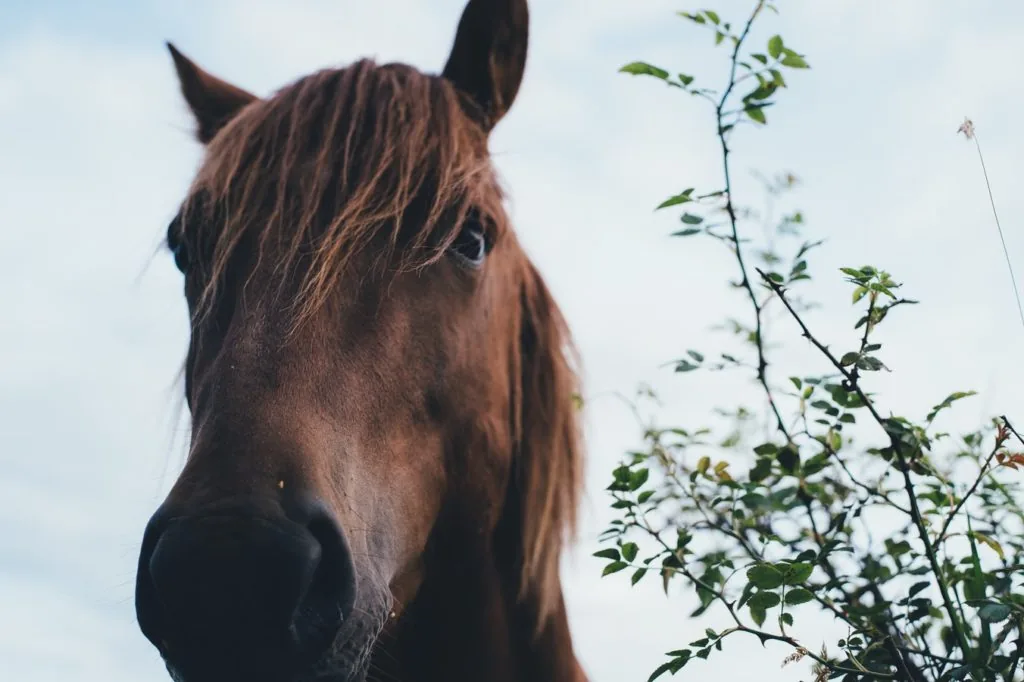
We’ll cover therapy animals briefly below, but we figure horses deserve their own mention! Equine Assisted Therapy (EAT) is a treatment that combines credential mental health professionals and therapeutic horses.
There’s evidence they can help with post-traumatic stress disorder, eating disorders, bullying, substance abuse, depression, anxiety, stress, autism, and more. During sessions, participants might groom horses, lead them, play with them – all at a pace that the participants sets themselves.
[Clickability update, October 2026: The broad treatment claim is historical and does not establish effectiveness for every listed condition. Current NDIA guidance distinguishes qualified, evidence-based animal-assisted treatment from recreational activities.]
The great news is that we published a blog on service dogs last week! Click here to read how Labrador Max helps his human, Mark, with day-to-day activities. (You can also check out Cherished Pets, a social enterprise that helps those who cherish their pets!)
Animals are also used in a number of therapy settings, to help a patient’s emotional or social functioning. They’re capable of forming unique relationships with humans. For a look into what they can do, from calming us down to helping children with disabilities read, click here.
What can you do to help?
To help spread the word about the important role that animals can play in the Australian disability sector, and to give us at Clickability that little nudge to hurry up and make dogegories a thing, click here.
Clickability editorial update: October 2026
Describe the service accurately, including its limits
Explain the practitioner’s role, the treatment goal and what the animal contributes. Distinguish qualified therapeutic treatment from recreation and avoid promoting an animal as a universal treatment for the conditions listed in the old article.
Discuss suitability, preferences and what happens if the participant does not want contact with the animal. Use the current funding distinction when explaining costs. Do not present an appealing activity or campaign endorsement as evidence that an individual plan will pay for it.
Questions readers ask
Is recreational horse riding automatically animal-assisted therapy?
No. NDIA distinguishes recreation from qualified, goal-centred therapeutic treatment. Official guidance
Is a therapy animal the same as an assistance animal?
No. They have different roles and funding considerations. Official guidance
Find the right support for your goals
Tell Clickability what help you are seeking, then ask suitable providers about their qualifications, approach and costs. Explore reviewed and rated services before deciding.