Plastic straw access and disability: exemptions and individual needs
What happens if South Australia, and elsewhere, ban the plastic straw?
By Molly O’Brien · Originally published 27 February 2019
Original article and dated context
Molly O’Brien is a young writer from Adelaide, who writes about disability matters for SACARE, a South Australian family-owned provider of world-class housing and support services for people living with disability. With a quirky voice, Molly writes thoughtful and interesting articles by talking to participants who use SACARE’s services and through careful research. She believes that the key to creating a more inclusive world is by listening to what those with a disability have to say, and making sure voices are heard.
There has been a lot of talk about banning plastics in the media recently. Coles and Woolworths have FINALLY banned the plastic bag across Australia, but now they are also looking at getting rid of the plastic straw. This sounds like a great idea, plastic straws are an ecological nightmare. There is one issue with the ban though… a lot of people with a disability rely on straws to eat and drink.
If any of you have been watching ‘The War on Waste’ on the ABC, you might have seen the episode where they attack the plastic straw. As humble as the plastic straw is, it creates all manner of problems for our sea life. Plastic bags as well as straws make it into our oceans where they are inadvertently consumed by aquatic animals. Craig Ruecastle, after spending time with a 10 year old crusader Molly, who is running her own campaign to rid straws, makes his own model turtle made of straws, calls it ‘McFloatie’ and visits McDonald headquarters, in true Ruecastle style. It’s a good watch, and a very important issue. Turtles are being killed in large numbers, and our oceans are bearing the brunt of our rubbish.
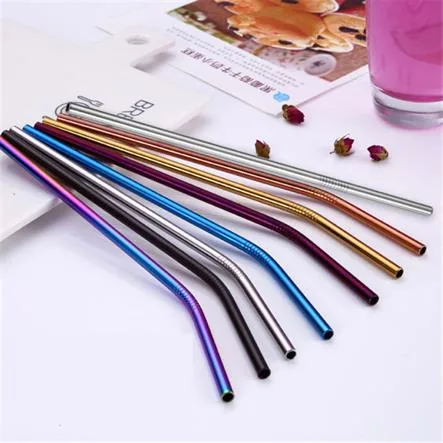
But for many of us living with a disability, the eventual banning of straws will create an impact. Straws are used by people with issues of movement and are quite often the only way they can enjoy a drink with friends. But there are very sustainable and affordable solutions to this. Stainless steel straws are one such solution, and you can purchase a little pack of 4 with a little cleaning brush for just a few dollars, that will last you a lifetime.
These straws are a fabulous solution for a lot of people. But there are just a few issues that can arise with hard-material straws. Stainless steel can get too cold, or too hot depending on the temperature of the liquid being drunk. They also can cause damage to those who have involuntary facial movements. Hard steel is not the most gentle on teeth.
So maybe the key is silicon straws? They are flexible, can withstand higher temperatures and soft on the teeth. Silicon is perfect for cold drinks and foods, but it tends to wilt from hot foods. They also get grotty and absorb smells. So a good idea, but not the perfect answer.
[Clickability update, October 2026: This is the contributor’s historical suggestion, not a universal recommendation. South Australian exemption information and NSW guidance recognise access needs. A substitute must suit the individual, including any swallowing guidance.]
So after some research the best solution we have come up with here at SACARE is a combination of the two!
A metal straw with a silicon topper. The stainless steel makes up the major part of the straw, so it will not wilt under heat and the silicon offers flexibility and a soft mouth piece.
Where to buy?
If you’re in Adelaide Ecolateral at St. Morris offers an array of straw options, they don’t currently have silicon topped straws on their website, but we have been assured that they have them in-store:
Otherwise ‘Shop Naturally’ offer lots of straw solutions that can be purchased through their online stores.
Clickability editorial update: October 2026
Check the exemption and the aid that works for you
Ask about the current rules where you live or travel. South Australian information and NSW guidance explain their own arrangements; an exemption does not guarantee every venue has stock. A familiar straw may be important for comfort, control or medical needs.
If you have swallowing difficulties, use your individual guidance and ask the appropriate practitioner before changing aids. Healthdirect swallowing information provides clinical context. A reusable product’s environmental benefits do not establish its suitability for your needs.
Respect the person’s access need and check local supply rules
Avoid presenting a straw request as an unnecessary preference or insisting on a reusable alternative. Check which rules apply to your location and supplier type. Explain what is available without promising stock you do not have.
For example, NSW guidance distinguishes hospitality from other suppliers and says hospitality customers should not have to prove their need. Do not assume every jurisdiction or supplier has identical rules. If assisting with drinking, follow the participant’s assessed needs and your role rather than recommending a product from the old article.
Questions readers ask
Does a disability exemption mean every venue must stock plastic straws?
Do not assume that. NSW guidance says hospitality venues are allowed, but not required, to stock them. Official guidance
Is a metal straw with a silicone tip suitable for everyone?
No. Consider individual access and clinical needs.
Find help choosing practical everyday aids
Tell Clickability what eating or drinking task you want help with. Compare reviewed and rated occupational therapy providers and ask about individual assessment.