Autism parenting: recognise progress that matters to your child
The Invisible Wins: What Progress Really Looks Like When Parenting a Child with Autism
Originally published 30 April 2026
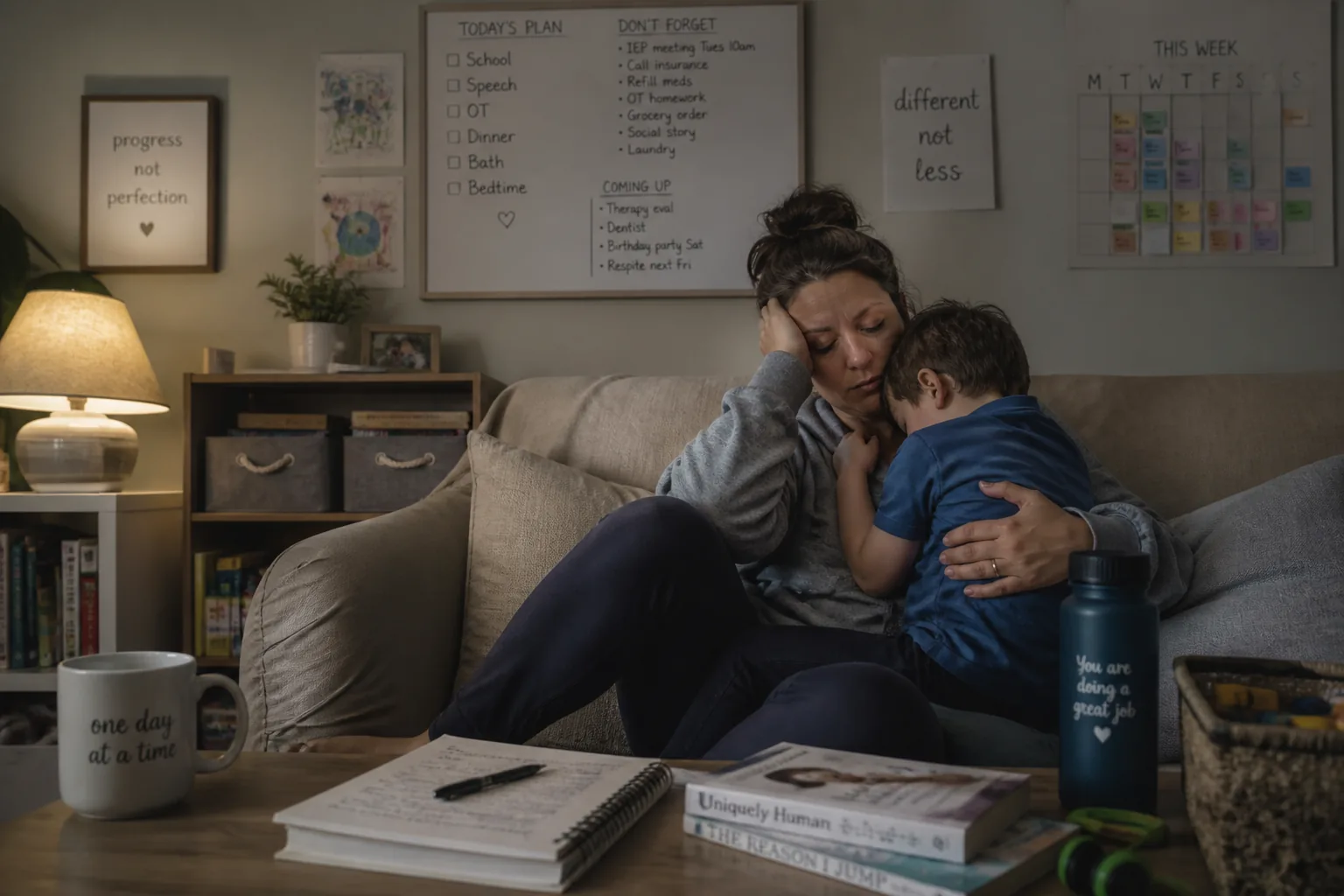
Original article and dated context
- It is trying a new food, even if it is just one bite.It is making eye contact for a second longer than usual.
- It is coping with a change in routine that would have once felt impossible.
- It is recovering from a meltdown a little more quickly than last time.
- It is finding a new way to communicate a need, even if the words are not there yet.
[Clickability update, September 2026: Longer eye contact is not a universal measure of progress and should not be imposed as proof of listening or connection. Look at the child’s comfort, communication and chosen participation. The national guideline prioritises individualised, neurodiversity-affirming support and the child’s assent. Read the guiding principles.]
There is guilt, when you wonder if you are doing enough, or the right things, or anything that truly helps.
- You begin to see your child, not through the lens of what they “should” be doing, but for exactly who they are.
- You start to notice the progress that actually matters. The kind that builds confidence, safety, and trust.
- You learn that success is not about catching up. It is about moving forward, in your own way, at your own pace.
So how do you start recognising and supporting these invisible wins?
Progress is often gradual. One good moment might feel like luck, but repeated small moments are growth. Keep a mental note, or even jot things down, so you can look back and see how far your child has come.
[Clickability update, September 2026: Repeated observations can help a discussion, but a journal is not a diagnostic tool or evidence that every child should show steady improvement. Record context, distress and what the child enjoys as well as achievements.]
This does not need to be anything elaborate. A note in your phone works perfectly. Write down the small victories. On hard days, this becomes something you can return to, a reminder that progress is happening, even when it feels slow.
Many children with autism feel safer when they know what to expect. Talking through plans, using visuals, or giving gentle warnings before transitions can make a big difference. At the same time, flexibility matters. If something does not go to plan, adjusting without pressure can turn a difficult moment into a manageable one.
If your child tries something new, that is the win. Even if it does not go perfectly. Even if they only manage part of it. The courage to try is where the real growth happens.
This is easier said than done, but it matters. Your child is not behind. They are on a different path. The more you focus on their individual progress, the more confident both of you will feel.
Communication is not just verbal. It can be gestures, pictures, sounds, or behaviour. When you respond to these attempts, you are building trust and helping your child feel understood.
This part is often overlooked, but it is essential. You cannot pour from an empty cup. Whether it is a quiet coffee, a walk, or a conversation with someone who understands, those small moments of care matter.
- Write them down.
- Say them out loud.
- Share them with someone who understands.
- They are growth.
- They are courage.
- They are progress in its truest form.
Clickability editorial update: September 2026
What parents can record when a small change makes daily life easier
Write down what happened, the setting and what helped: a quieter space, a picture, more time or an easier way to say no. Notice whether the child seemed comfortable, rather than judging success only by completing the activity.
If communication is a concern, discuss the child’s preferred ways of expressing needs with a speech therapist. Ask how gestures, pictures or AAC can be respected in everyday settings, and check the funding pathway for the actual service.
How providers can make goals useful to the child and family
Agree what would make a real difference to the child’s day and how the child can show assent or discomfort. Review the context behind an observation before calling it progress or a setback.
Include enjoyment, participation and communication in the discussion. Avoid goals aimed only at making a child look less autistic. Use the national guiding principles alongside appropriate professional assessment.
Questions readers ask
Is eye contact necessary to show that a child is listening?
No. The editorial approach is to respect the child’s communication and comfort rather than impose eye contact as a universal target. Official guidance
Does keeping a wins journal replace a developmental assessment?
No. It can organise observations, but concerns about development should be discussed with an appropriate health professional. Official guidance
Find communication support that respects your child
Tell Clickability the communication and access needs you want to discuss. Compare speech-therapy profiles and reviews, then ask how the provider involves your child and family.
Find speech therapy for my child · Browse speech therapy providers