Disability identity: a personal view of ordinary life
A Crip’s View
By Jamie-Lee Dwyer · Originally published 3 February 2016
Original article
Jamie-Lee Dwyer is a 27-year-old freelance writer out of Queensland. She has studied and received a bachelor of journalism with first-class honours from Griffith University. In between doing the odd freelance writing job she is currently writing a fiction book about disability.
Have you ever wondered why people have different reactions to disability? Why it’s so confronting for some people? Is it simply because they fear what they don’t know? Or is it more complex? Do our crippled bodies remind them of their own mortality? Or maybe it reveals a supressed superiority complex for some? Perhaps others feel the need to express how inspirational they think we are because of these reasons?
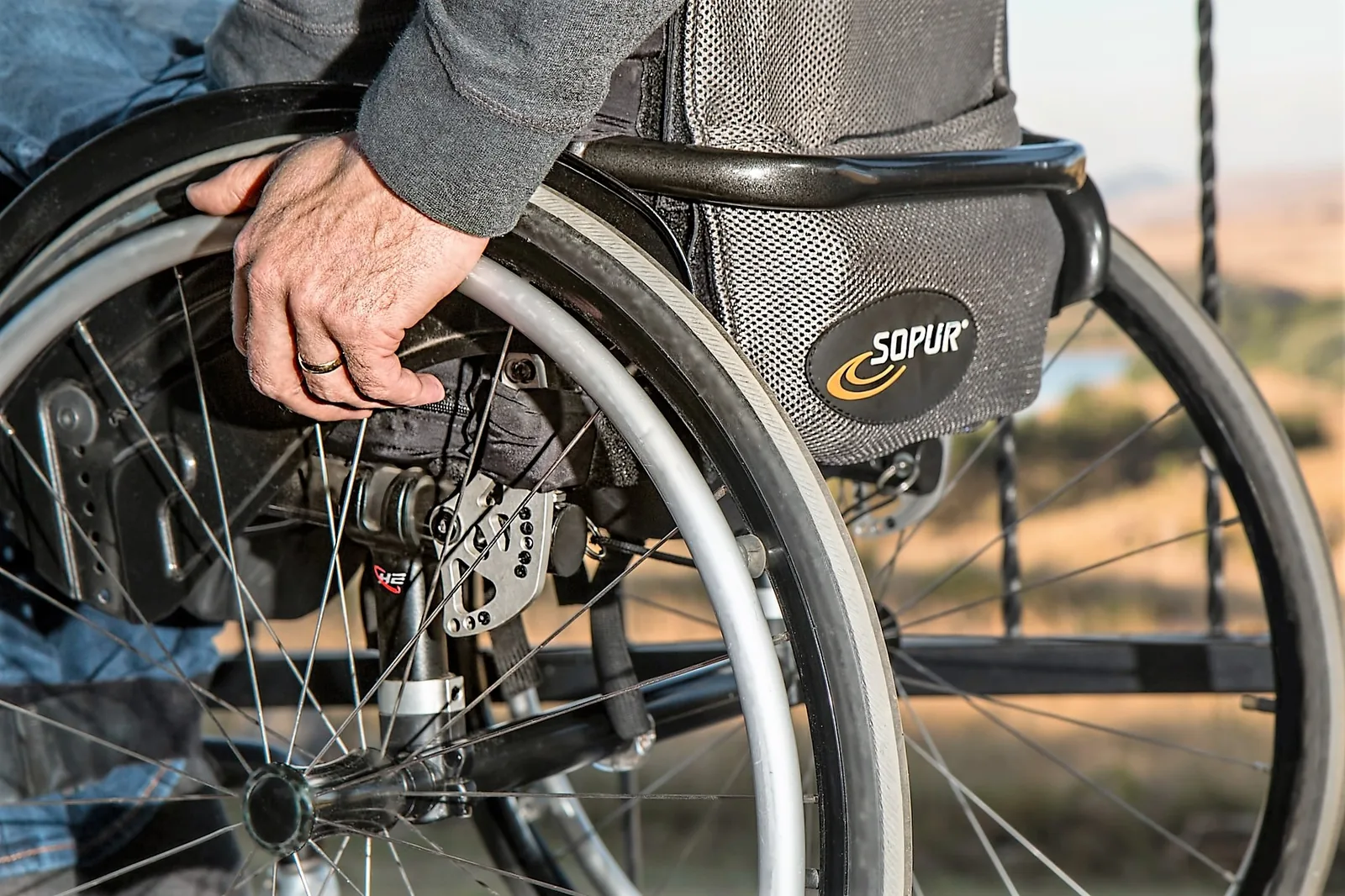
Society tells us that disability is not a normal human condition, although it is actually a common experience. Everywhere I go in my chair I attract stares, it’s almost as if people have never seen a cripple before. Which I know isn’t true because I always see crips out and about. To me it’s a constant reminder that even in the 21st century crips are not seen or treated as normal people.
I remember when I first learnt how abnormal I was. I was twelve years old and had my first crush. A bad boy who always wore his uniform untucked and out of place, despite the countless threats of detention if he didn’t fix it. He liked to be the centre of attention and everyone listened attentively to the funny things he had to say. Acting like he was so much better than us peasants. He was so goddam cool. He was perfect.
The previous year I had been diagnosed with a hereditary neuromuscular disease and soon began relying on walking aides to get around the school. Now you might think this news would have been depressing for a kid with their whole life ahead of them. Not for me though, I was too young and naïve to realise how this diagnosis would impact my life. I was more concerned about trivial matters, like what I would wear to the school disco on Friday night, than about things which I had no control over. I still felt totally normal and couldn’t understand what the fuss was about.
One day my crush made fun of my disability behind my back. When I heard about it the weight of my diagnosis seemed to hit me and I felt so incredibly ashamed of my disability, like being born with defective genes was somehow my fault.
Over the next few years I dealt with my fair share of discrimination, but nothing stung quite as much as that incident. It took me a long time to figure out why it stung so badly. I mean it isn’t the worst thing I’ve ever heard. However, it was the first time I’d realised society’s perception of me at that age was different to what it was before my diagnosis. I hadn’t even noticed I’d been labelled as ‘damaged’ until my crush had said something. Without permission I’d been slotted into a category of people believed to be inferior to able-bodied people.
The late Stella Young tells us in her 2014 TEDtalk how crips are often more disabled by the society they live in than by their crippled bodies or diagnoses. She speaks about how disabled people are often used as inspirational porn for able-bodied people to make them feel motivated and to put their own problems into perspective.
There is no regard for how the crip feels about this objectification. This needs to change. Disabled people ARE real people and not simply there for inspiration.
I’m not going to lie; I face adversity in this body every single day and occasionally it beats me. I’m sure this happens to many people regardless of their disability. I lie on my bed, letting the tears stream down my face and wish against all odds that I was able-bodied. Not very inspirational, I know. And eventually when I’m done wallowing in self-pity I realise that being disabled isn’t the end of the world. Disability is a disadvantage, but how much of a disadvantage is up to us crips.
One day I hope our society will be accepting enough that a newly diagnosed cripple won’t ever feel ashamed of their disability. I hope we will all be treated equally and no crip will spend their life listening to how inspirational they are just for smiling.
Clickability editorial update: October 2026
Choose how you want your experience described
You can use language that feels right to you and ask others not to use terms you dislike. Your preference may change with the situation. Tell a provider how you want to be introduced and whether disability should be mentioned in a public story or profile.
You do not have to be inspirational or exceptionally independent to deserve respect. Identify practical barriers and ask who can help change them. NDIS rights standards recognise privacy, dignity and decision-making; the author’s account gives one perspective on how those values feel in everyday life.
Follow the person’s language and address the barrier
Ask about terminology rather than copying a contributor’s reclaimed word into your forms or marketing. Obtain meaningful consent before sharing personal information or photographs. When access fails, review the environment and your practices rather than suggesting that a better attitude will solve it. Keep support available without making it conditional on a positive personal story.
Questions readers ask
Should a provider use the reclaimed title term for everyone?
No. Follow each person’s preference.
Find providers who respect your preferences
Describe what matters in your support and compare Clickability provider profiles and reviews. Ask how the service will respect your communication, privacy and choices.