NDIS sport support: separate participation help from fees
Making the NDIS Work for You: Playing Sport
By Plan Partners · Originally published 22 August 2018
Work out which barrier you want support to remove
Choose the sport you want to try and ask the club about its setting, equipment and access. Then identify the extra help you need because of disability, such as assistance during the activity. Keep that help separate from the membership or participation cost you would pay yourself.
Discuss support worker assistance against the actual activity, transport and communication needs. Check current recreation guidance and the available funding before booking. An activity can be valuable without every cost being payable by the NDIS.
Original article and dated context
This blog was published by Plan Partners, a leading Australian provider of NDIS Plan Management and Support Coordination. This is the first of their ongoing series. You can read more on their website.
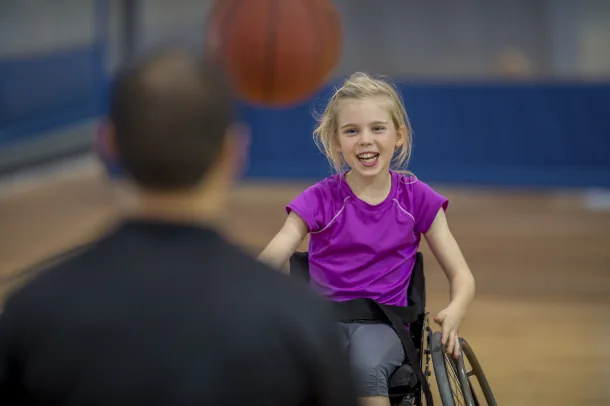
For many people with a disability, playing sport is a very important part of their life and life goals.
Playing sport has many benefits: First of all, we all know that an active lifestyle has a lot of health benefits. Improved cholesterol, lower blood pressure, stronger bones and muscles, reduced risk of heart attack and many other positives can all stem from regular exercise.
What’s less obvious is the social and mental benefits of taking part in sports. Several studies have proven that exercise is one of the most effective ways you can boost your mental health and reduce stress. On top of that, sporting clubs are a fantastic way to build your social network in a fun and supportive setting.
Because of these holistic benefits, the NDIS can provide funding to help you get involved in sports, by either funding sporting activities or funding (part of) your sporting equipment.
There are three key things to consider:
Know which support categories of your NDIS plan can fund sporting activity and consider how to use the funds in the best way
Give yourself maximum choice in accessing any provider of sporting activities you like, even if the providers are not registered with the NDIS
Don’t hesitate to seek advice with organisations like Plan Partners, who can provide you with advice on how to best use NDIS funding for sporting activities and equipment.
[Clickability update, October 2026: Use current social and recreation support guidance. Extra disability-related help to participate is different from ordinary activity fees; the original suggestion that the activity itself can simply be funded is too broad.]
Sporting activities
There are two NDIS support categories that relate to sporting activities: Increased Social & Community Participation and Assistance with Social & Community Participation, and – despite their very similar names – there are some key differences between the two:
Increased Social & Community Participation is a capacity building support, which means it is designed to help you build your skills and independence. Sport activities covered under this section are things like fitness classes, coaching or other activities that have been specifically designed to develop certain skills amongst people with disability. These activities are often one-on-one or small group classes. Remember, the support needs to link back to the goals you have stated in your NDIS plan.
On the other hand, Assistance with Social & Community Participation is a core support. This means it’s a lot more flexible and can fund a wider range of activities as well as the support you need to participate – for instance, a support person or translator. Activities funded under Assistance with Social & Community Participation don’t need to be disability specific – in fact, the idea is to help get people with disability to join in with mainstream activities, meet new people and have fun.
[Clickability update, October 2026: The cost-difference and supplier examples are not universal approval rules. Check current assistive technology guidance and the person’s actual needs and plan.]
Sporting equipment
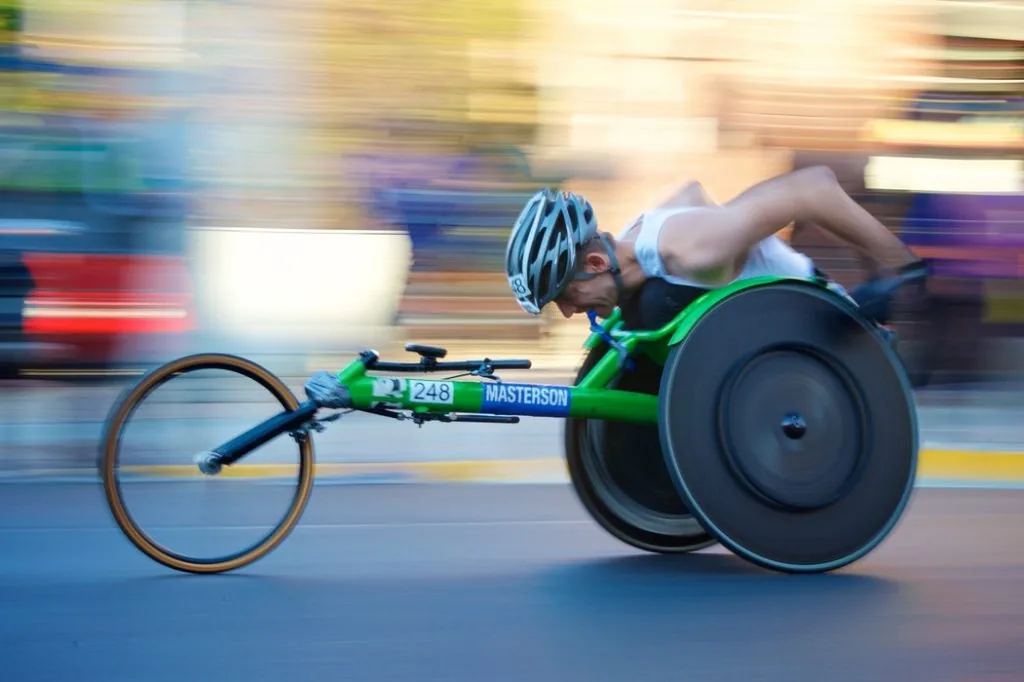
If you require specialised sporting equipment due to your disability, the NDIS can help fund it too. It could come under one of two categories:
Core – Low Risk Assistive Technology: If you can buy the product “off the shelf” but have to pay more because of the adaptations needed to meet your needs, then sporting equipment can come from this category. You’d have to cover the cost of the basic product and the NDIS could fund the difference. While it won’t cover the full cost, it will cover the amount over the base price. For example, if you require a specialised saddle for your horse riding, you will have to pay the cost of a standard saddle and the NDIS will cover the cost of any extra modifications.
Assistive Technology: If it is a more complex product and needs to come from a specialist disability supplier, then you may be able to get funding in this category. You would need an OT assessment to confirm that you need the product to participate and to ensure its suitability.
[Clickability update, October 2026: Plan management does not turn a club membership or other ordinary expense into an NDIS support. Check current support rules before agreeing to an invoice.]
Accessing any sporting club you like – with Plan Management
Many sporting clubs and community organisations have not registered with the NDIS – not because they don’t provide a legitimate benefit, but merely because they don’t have the time, money or resources to register with the NDIS (see here for our previous breakdown of what it means to be an unregistered provider).
Unfortunately, this means that if your plan is NDIS managed, you won’t be able to use your funds to access non-registered organisations. This is where Plan Management can help! By letting you choose providers that are not registered with the NDIS, Plan Managers – like Plan Partners – can give you access to a huge range of sporting clubs, so you can find the right one for you.
Seek advice
As with anything to do with the NDIS, there are lots of variables and everyone’s circumstances are different. We recommend being as upfront as possible in your planning or review meeting and clearly stating what sporting activity you’re interested in and how that will help you achieve your goals.
If you have any questions or would like to explore how you can take up a new sport, get active and meet new people, contact the friendly team at Plan Partners and see how they can help you!
Clickability editorial update: October 2026
Help with access while leaving the sport choice to the person
Ask what they want from the activity: enjoyment, social connection, competition or trying something new. Confirm the club’s practical access rather than assuming disability-specific branding means it will suit.
Check who provides assistance and which costs are personal. Avoid choosing an activity solely because someone says it can be invoiced to a plan. The person’s interest and a clear funding arrangement should guide the decision.
Questions readers ask
Does the NDIS automatically pay sport memberships and ordinary fees?
No. Extra disability-related participation support is different from costs everyone pays. Official guidance
Does plan management make every club cost eligible?
No. The support and actual purchase must still meet applicable rules. Official guidance
Find support work for the activities you choose
Describe the assistance you need through Clickability. Compare reviewed and rated support workers and ask about experience with your preferred sport or community activity.